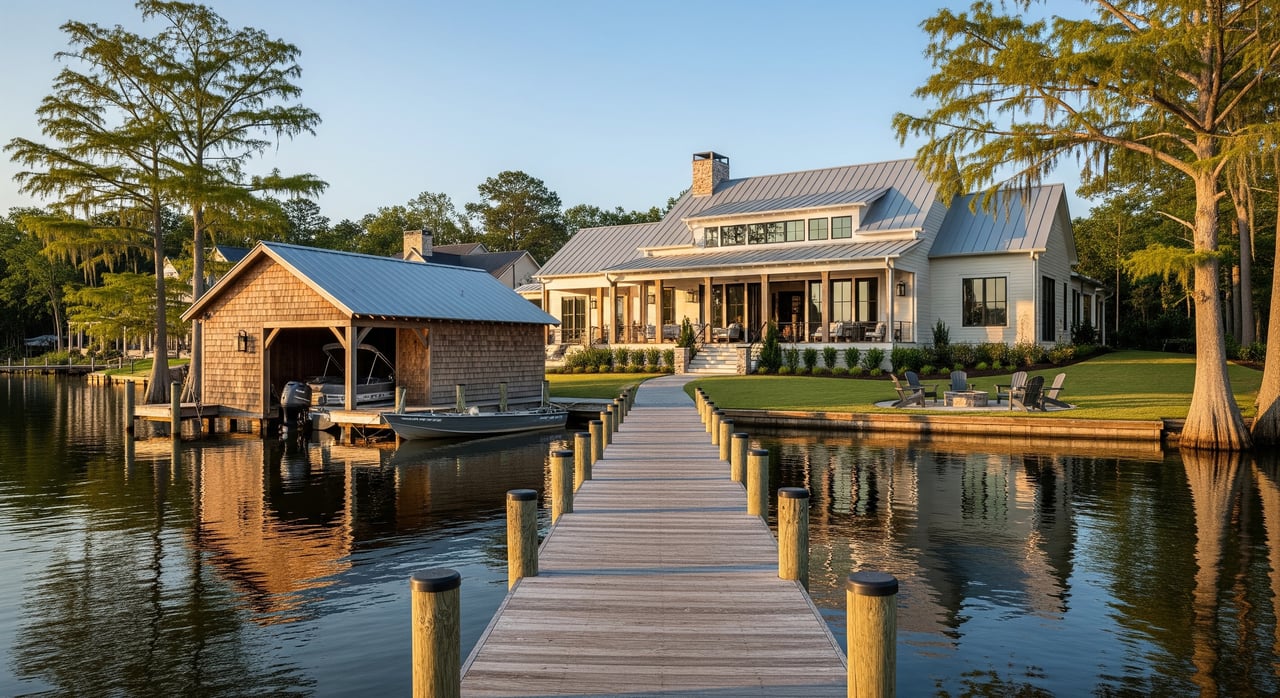
Imagine stepping onto your dock with coffee in hand as the sun lifts over calm water. If you’re weighing a full-time move or a second home, life on Lake Tuscaloosa offers a daily backdrop of boats, birds, and shoreline trees that never gets old. You want the fun without the surprises. In this guide, you’ll see how the lake actually lives from season to season, what to expect in quiet coves versus the main channel, and the key ownership details that matter in 35475. Let’s dive in.
Lake Tuscaloosa at a glance
Lake Tuscaloosa serves two roles: it is the city’s primary water supply and a regional recreation hub. That dual purpose shapes everyday life. Public access and recreation are supported, while certain shoreline areas near water infrastructure are restricted. Water-quality considerations also guide management decisions.
You will find several public access points, private docks, and neighborhoods with lake privileges. Ramp locations, parking, and hours can vary by site, so plan around the closest options to your property. The climate is humid subtropical, with hot, humid summers and mild winters. Expect peak boating from late spring through early fall, plus humidity-driven maintenance like mold prevention and dehumidification.
Water levels fluctuate with rainfall and municipal operations. If a dock or boathouse is essential to your plans, monitor patterns that may affect access or shoreline exposure.
Quiet coves vs main channel
Quiet coves
These sheltered arms offer calmer water, shade, and far less wake. They are popular for swimming, kayaking, paddleboarding, and relaxed pontoon time. You’ll likely notice more privacy and easier docking if you’re newer to boating.
Trade-offs include shallower water and occasional vegetation or silt buildup. Large boats may have limited maneuvering room. Utilities and services can sit farther from certain parcels depending on the location.
Busier stretches
Main channels and areas near ramps tend to be social and active, especially on summer weekends. You’ll see wake boats, skiers, and personal watercraft working the open water. Deeper water by docks is common and getting out to ski zones is quick.
Expect higher noise levels on holidays and more visible wakes. Shorelines without protection can see erosion over time, and nearby parking areas may be crowded on popular weekends.
How to evaluate a lot
- Visit multiple times: weekday morning, weekend afternoon, and a holiday if possible.
- Watch wind direction and exposure to understand how waves and wakes hit the shore.
- Confirm water depth at the dock site and how it changes during low-water periods.
A day on the water
Boating patterns
Pontoon cruising and family outings are the heartbeat of the lake. Wakeboarding, wakesurfing, and waterskiing are common on open water, while kayaks and paddleboards favor quiet coves. Personal watercraft typically stick to bigger stretches rather than narrow inlets.
State boating laws apply, including registration, required safety gear, and navigation lights after dark. Marine patrols enforce speed rules and no-wake zones, especially near docks and swimmers. Check current Alabama boating safety guidance before you launch.
Fishing rhythms
You can target largemouth bass, crappie, bream or bluegill, and catfish. Spring and fall are strong for bass, while crappie often shine in spring and winter depending on structure. You need a valid state fishing license, and size and bag limits are set by the state. Review current regulations before you go.
Everyday logistics
- Storage: options include your own dock or lift, nearby marinas, or dry storage. Slip availability can be tight during high demand.
- Launching: weekdays are easier; summer weekends and holidays get busy early.
- Maintenance: winterization needs are lighter than up north, but routine cleaning, lift checks, and seasonal servicing are still part of owning a boat here.
Seasons on the lake
Spring
Weekday and weekend boating picks up as temperatures rise. Bass fishing improves. It is a smart time to inspect your shoreline after rains, refresh landscaping, and check your dock after winter storms.
Summer
This is peak season for swimming, cruising, and tow sports. Expect the most boat traffic and noise on holiday weekends. Mosquito control, dehumidification, and mold prevention become part of your home routine.
Fall
Cooler weather brings quieter weekdays and comfortable evenings on the porch. Fishing remains strong as water temperatures drop. Many owners schedule dock repairs and larger maintenance projects before winter rains.
Winter
The pace slows and the lake is peaceful. Severe winterization is not typical, but protect outdoor plumbing and pumps during cold snaps. Storm-related drawdowns can expose shoreline, which matters if you’re planning dock work.
Ownership basics that matter
Docks, boathouses, and shoreline work
Permits are often required for new docks, fixed piers, seawalls, and major stabilization. Because the lake supports the public water supply, projects near intakes or treatment sites can involve extra steps. Ask the seller for past permits and documentation for any shoreline work.
Riparian rights and rules
Not every lot automatically includes rights to build or expand a dock. Covenants, HOAs, or shared-dock agreements can set limits on size, boat count, or guest use. Confirm whether a property includes dock rights, a deeded slip, or shared maintenance fees.
Utilities: sewer, water, or septic
Some homes connect to municipal sewer and water. Others use private wells or septic systems. If septic applies, verify system age, capacity, and service history, and plan for regular inspections and pumping.
Insurance, taxes, and ongoing costs
Waterfront homes can carry higher insurance premiums, especially if wind or flood risk applies. If a property sits in a FEMA-designated flood zone, flood insurance may be required by your lender. Alabama property taxes are generally lower than many states, but waterfront assessments can be higher. Check exact rates with local records.
Common budget items include dock and lift upkeep, shoreline erosion control, HVAC servicing, termite and wood-rot prevention, landscaping, and tree work. Add marina or storage fees, HOA dues if applicable, and boat fuel and maintenance.
Environmental and safety notes
Inland reservoirs can experience harmful algal blooms or water-quality advisories at times. Monitor local advisories for any restrictions on swimming or fishing. Shoreline erosion can be an ongoing issue in wake-exposed areas, so use best-practice stabilization and obtain proper permits.
Storm planning
Though inland, the area can see tropical remnants, severe thunderstorms, and strong winds. Have a plan to secure boats and equipment and know your evacuation routes in extreme weather.
Due-diligence checklist
- Visit at several times to gauge traffic, noise, and wake patterns.
- Confirm dock rights, easements, and any HOA or shared-dock rules in writing.
- Request copies of permits for any dock or shoreline work and verify compliance.
- Check whether the home is on municipal sewer and water or septic and well; order a septic inspection if relevant.
- Obtain a flood-zone determination and, if available, an elevation certificate; gather insurance quotes, including flood.
- Ask for recent maintenance records for the dock, bulkhead, HVAC, roof, and termite or pest treatments.
- Review boating and fishing regulations and ask about marina slip availability and ramp parking rules.
- Monitor local water-quality advisories for any swimming or fishing updates.
- Talk to neighbors and any local lake association about community norms and shared costs.
Living local: community rhythm and conveniences
You will find a mix of full-time residents, retirees, and second-home owners along the shoreline. Some streets feel social with summer dock gatherings and casual fishing meetups. Others are quiet and private.
Most lake neighborhoods are a reasonable drive to Tuscaloosa’s city services, shopping, healthcare, and University of Alabama amenities. That balance makes it practical for weekenders and convenient for year-round living.
Common etiquette includes observing no-wake zones, respecting quiet hours, and being courteous with bright dock lighting and loud music. Summer weekends are busy, so a little neighborly awareness goes a long way.
Is Lake Tuscaloosa right for you?
If you want calm, sheltered water and privacy, a quiet cove could be ideal. If you love seeing boats glide by and want quick access to the open lake, a main-channel home may be a better fit. Either way, the key is aligning the lifestyle you imagine with the practical details: dock rights, permits, utilities, and seasonal rhythms.
If you’re exploring homes around 35475 and want a local guide to the micro-differences from cove to cove, reach out to Kristy Lee for personalized advice and a clear action plan.
FAQs
What should a first-time Lake Tuscaloosa buyer know about dock permits?
- Permits are often required for docks, piers, seawalls, and major shoreline work; confirm prior permits with the seller and check city or state requirements before planning any changes.
How busy does Lake Tuscaloosa get on summer weekends?
- Summer is peak season, with the most boat traffic on holiday weekends like Memorial Day, July 4, and Labor Day; weekdays and fall afternoons are generally quieter.
Do homes around 35475 typically use sewer or septic?
- It varies by property; some connect to municipal services while others rely on private wells or septic systems, so verify utility type and service history during due diligence.
What are the common yearly costs for dock and shoreline upkeep?
- Expect periodic dock and lift maintenance, potential erosion control, landscaping, and HVAC service; add boat storage or slip fees, HOA dues if applicable, and routine boat maintenance.
Are fishing licenses required on Lake Tuscaloosa?
- Yes, a valid state fishing license is required; size and bag limits are set by state regulations, so review current rules before you fish.
How do water levels impact my dock or boathouse access?
- Levels can shift with rainfall and municipal operations; confirm water depth at your site across seasons and plan dock placement to maintain access during lower water periods.